
Reports
Zamzam supports a record 2.63 million Somalis in year of significant growth
Zamzam Foundation supported 2.63 million people across Somalia in 2024, according to our latest Annual Report. Our programmes touched the lives of over 350,000 more Somalis than in 2023, a 13 per cent increase.
The dynamic growth in our reach was underpinned by strong growth in income, which increased by $1.2 million to $17.6 million. We were able to spend a record $16.1 million on directly supporting people in need, an increase of 11 per cent.
This year of significant growth was also a year of significant infrastructure building. We built eight new schools – five in Jubaland and three more in Somaliland, Galmudug and Banadir. We opened two new clinics in Gedo and Lower Juba, ensuring improved healthcare in deprived and hard-to-reach areas.
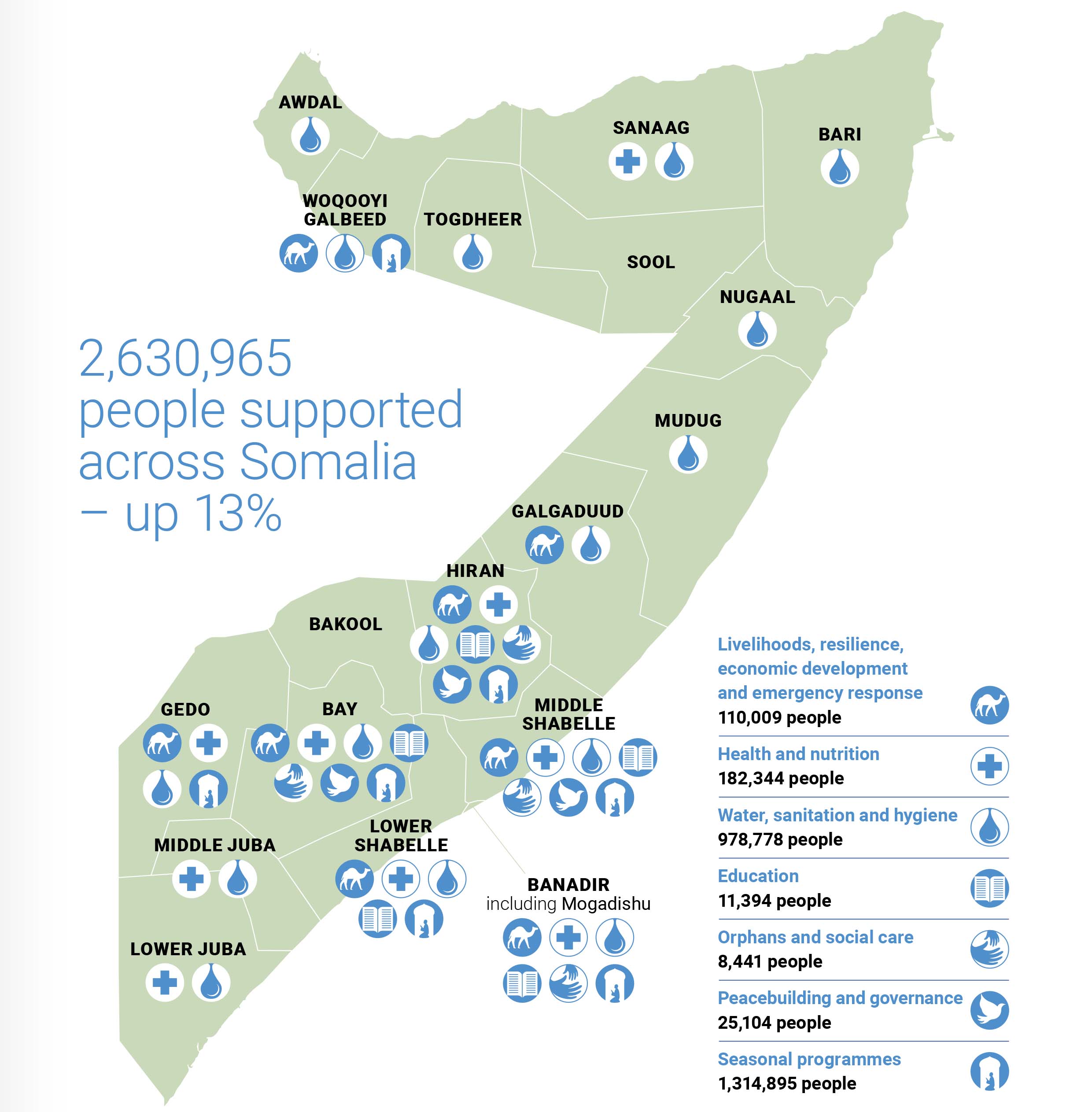
On the back of a 27 per cent increase in funds raised for water projects, we drilled 23 new boreholes, rehabilitated 14 more, and dug 135 new community wells. Coupled with the community health-and-hygiene training we provided for more than 10,000 people, this new water infrastructure will protect children and other vulnerable people from diarrhoeal diseases – Somalia’s second-biggest killer.
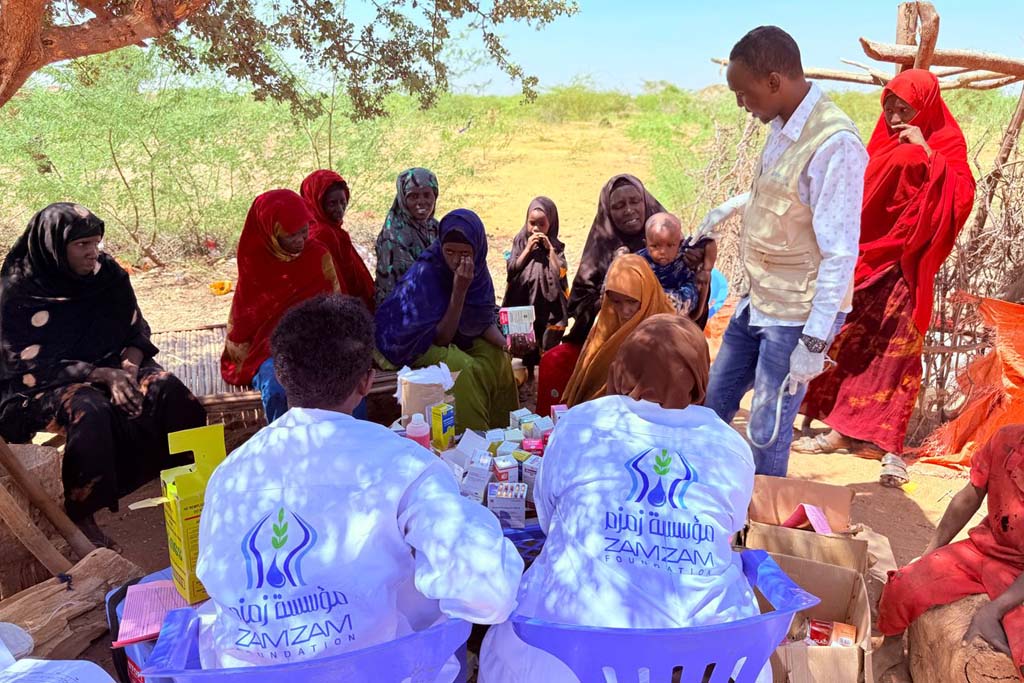
Our two new health facilities brought the total to 28 – seven primary healthcare facilities, 16 specialist tuberculosis (TB) clinics and five mobile clinics supporting families living in displacement camps. Together these facilities provided vital healthcare for 182,334 people.
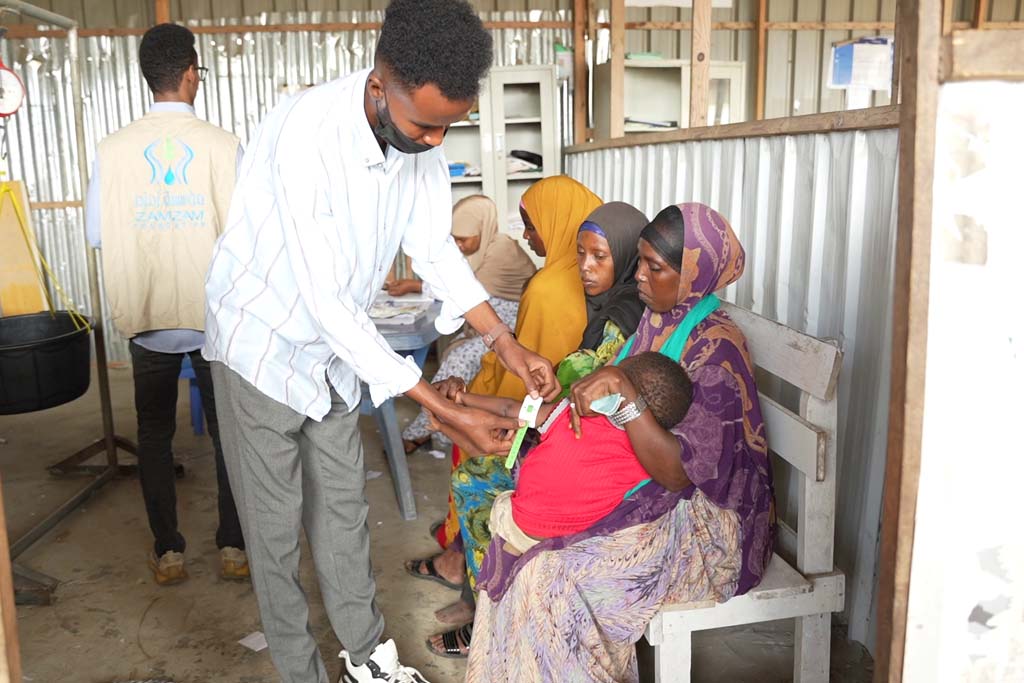
Our teams provided maternal health care for 32,624 women, vaccinated 11,035 women and children against disease, and treated 3,181 people for TB. We screened 35,888 women and children for acute malnutrition, providing nutritional therapy for those worst affected, and performed sign-saving cataract surgery on 2,536 people.
Our seasonal programmes provided Ramadan food, qurbani meat and Eid gifts for a record 1.3 million people – a 32 per cent increase on the previous year.
“We are enormously thankful to our staff and volunteers for their hard work and dedication and to the many partner organizations we are privileged to work with,” write Shuaib Abdullatif and Omar Jama – Zamzam’s Chair and Executive Director – in their foreword to the report.
“The transformative work we do is needed more than ever in a country where 10.5 million people are living in poverty, 3.8 million have been driven from their homes by conflict and climate change, and 6 million rely on humanitarian aid to survive.”
Our emergency aid and livelihoods programmes were a lifeline for 110,009 Somalis affected by drought, floods and conflict. We provided life-saving food aid, shelter kits, cash assistance and livelihoods support to the most vulnerable.
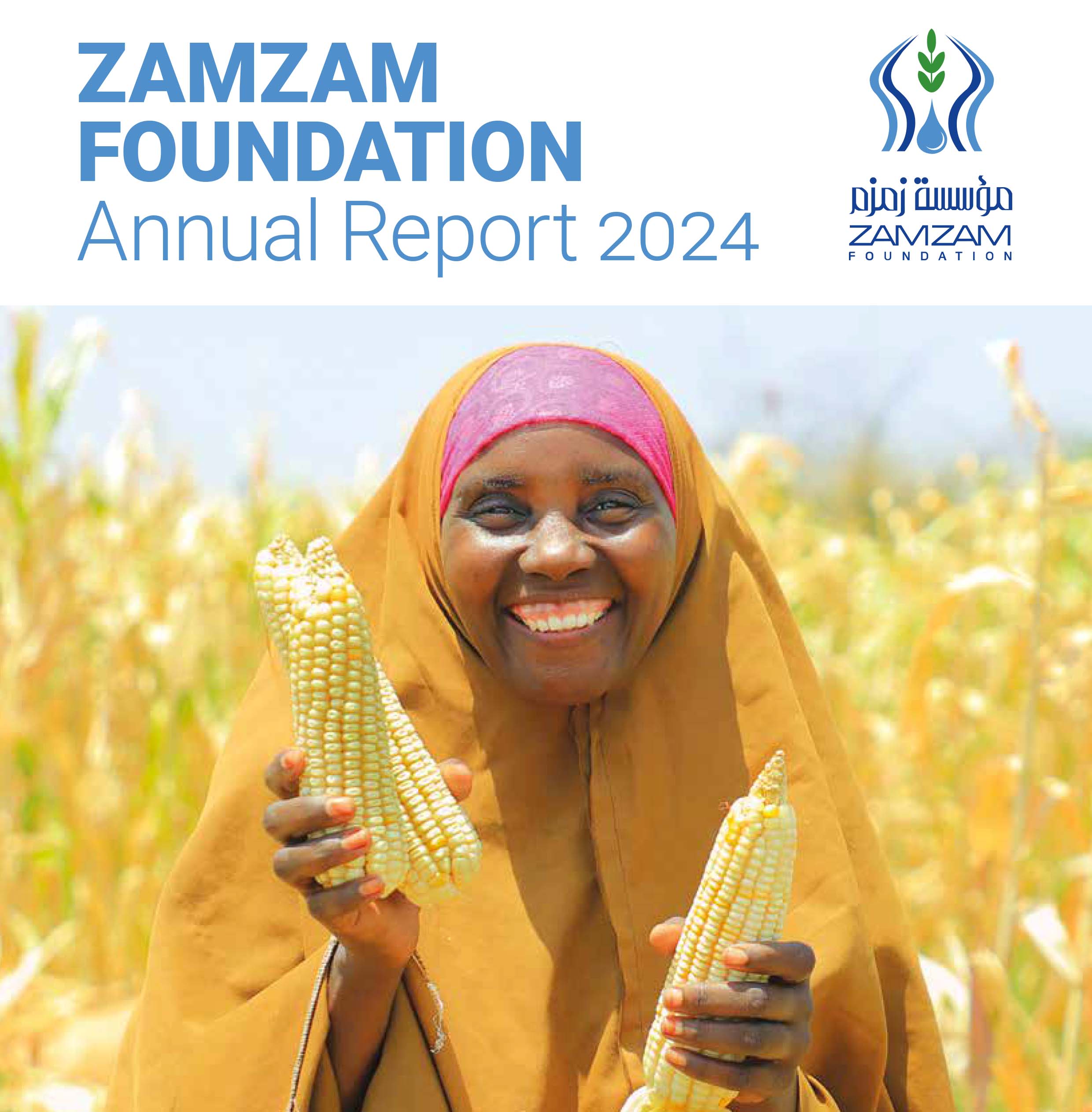
Our annual report highlights the fact that 1.6 million Somali children were acutely malnourished in 2024. The surest way to improve food security is to strengthen farming, as agriculture accounts for up to 26 per cent of GDP, 90 per cent of informal employment and 90 per cent of exports.
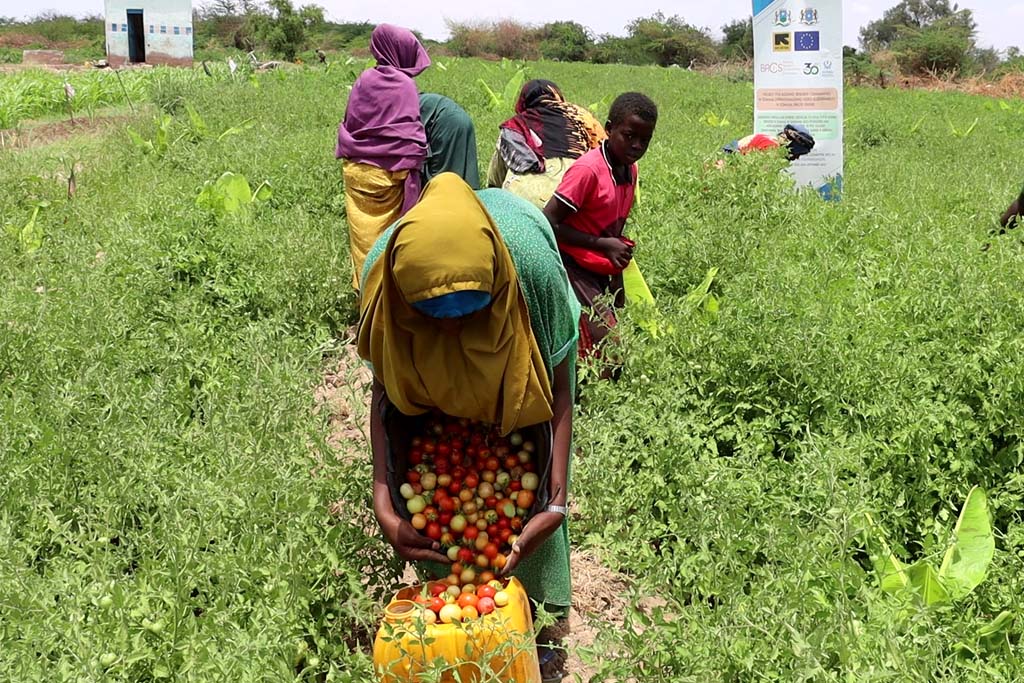
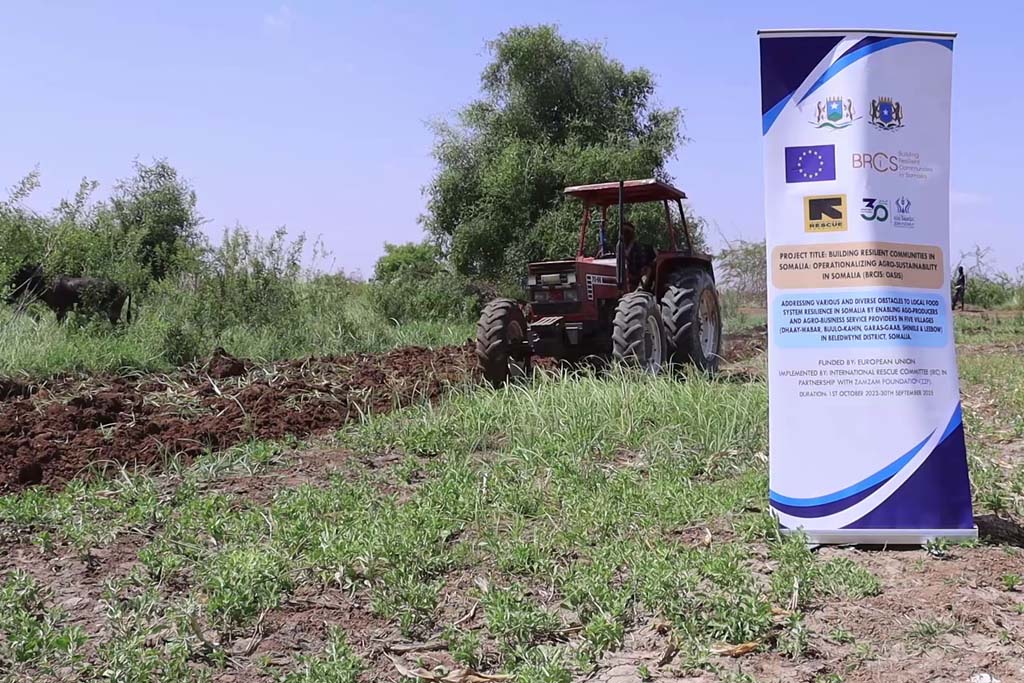
In 2024 we supported 7,318 farmers by providing seeds, tools, irrigation pumps, livestock, fodder, help with land preparation and training in climate-smart agriculture. We provided cash assistance for 21,000 people, and our microfinance grants and loans empowered 132 families to earn a sustainable income through a wide range of enterprises including dairy and poultry farming, beekeeping, tuc-tuc taxis, tailoring, small shops and market stalls.
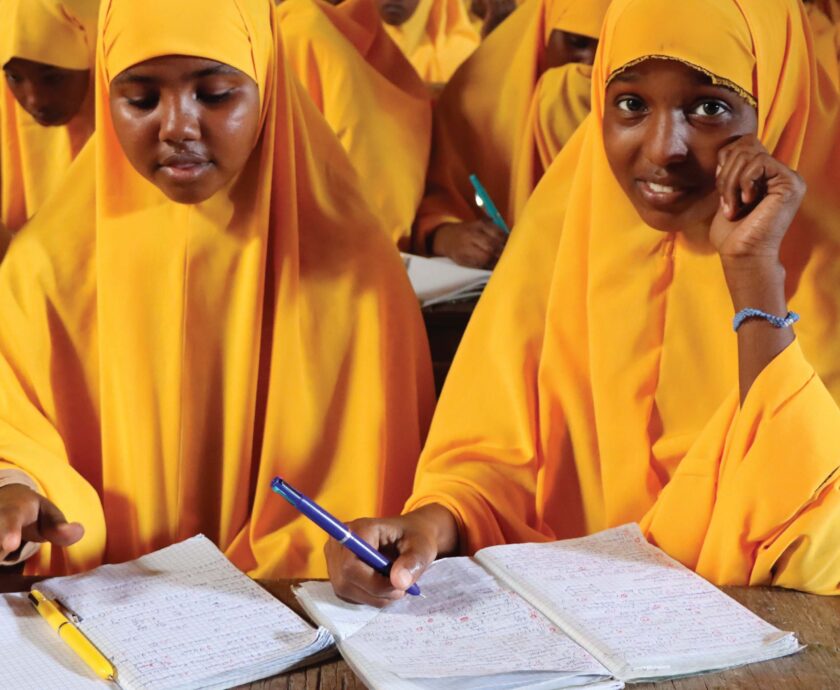
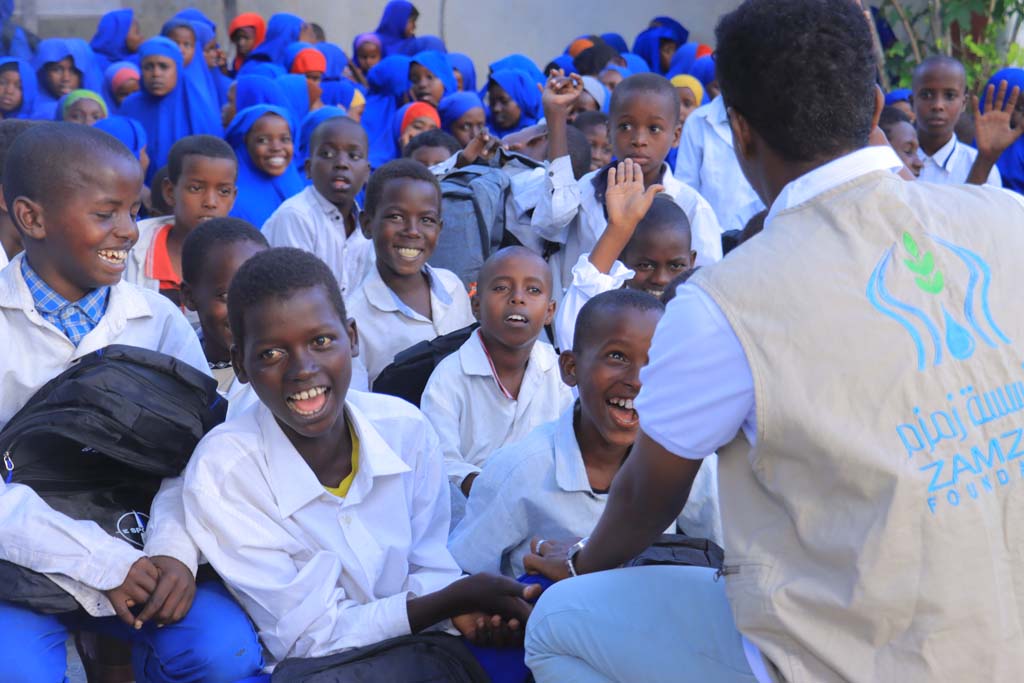
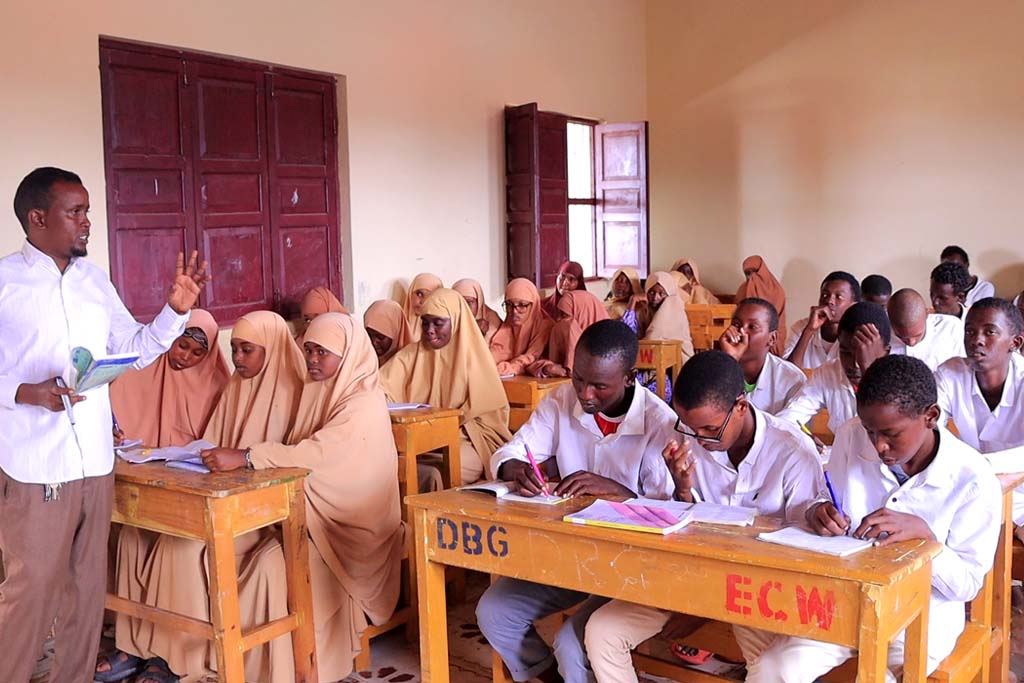
Our education and orphans programmes supported more than 19,000 of Somalia’s poorest children and young people. We educated 3,749 children in seven Zamzam-managed schools and supported the families of 8,441 orphans with sponsorship and livelihoods grants, giving many a chance to go to school that their families could not otherwise afford.
Our annual report is full of information about the challenging context in which we operate and our wide-ranging work. The 40-page report includes:
- An overview of our new Strategic Plan for 2025-2030, which emphasises the pivotal importance of empowering women and building climate resilience throughout all our programmes
- Key statistics on our income and expenditure, the aid we have delivered, and our impact on the lives and livelihoods of the poorest families
- Eight sections covering our approach and delivery in eight distinct but complementary programme areas, from emergency relief and health care to education and peacebuilding
- Details of our expanding activities on the international stage. These include advocacy at UN summits and other key conferences, programmes supporting communities affected by poverty and climate change in Kenya, and fundraising in Türkiye and the United Kingdom
- A list of the 47 local, national, and international donors and partners who support our work – together with features on two of our most significant partnership projects supporting community health and climate-resilient livelihoods.
“We are working hard to find new support for all our programmes,” Shuaib and Omar write in the conclusion of their foreword. “While we are thankful for the sizeable expansion we have achieved in our seasonal food distributions, we are conscious that it is in livelihoods, health, education and peacebuilding where growth has the potential to make the biggest impact on people’s lives.”